


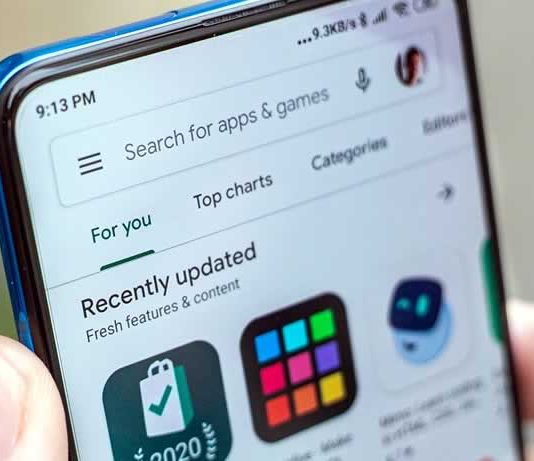
In 2026, an app listing in Google Play is no longer just a collection of metadata fields. It has become a structured product context that directly influences how an app is indexed, discovered, and evaluated by both algorithms and users. Google Play increasingly relies on machine learning and semantic understanding, meaning listings are interpreted as a unified whole: the title, descriptions, visuals, category, and even the consistency between what is promised and what users experience after installation.
For developers, this shift makes listing optimization more strategic than ever. The app title remains the strongest element for indexing, but keyword stuffing is no longer an effective approach. Instead, relevance, clarity, and alignment with user intent define whether an app can sustainably rank for competitive queries. The short description shapes the first impression and impacts CTR, while the full description supports semantic relevance, explains the value proposition, and reinforces trust.
Visual assets have also become inseparable from ranking performance. Icons, screenshots, and videos influence conversion rates, and conversion is now one of the most important indicators of listing quality. A listing that attracts impressions but fails to convert users into installs will gradually lose visibility, even if it is technically well optimized. In highly competitive categories, even small improvements in conversion can translate into significant ranking gains over time.
At the same time, Google Play evaluates what happens after the install. Retention, engagement, ratings, reviews, and technical performance all shape long-term discoverability. The listing is essentially a promise, and user behavior confirms it. When expectations and real experience match, ranking stability improves. When they do not, visibility tends to decline.
This is where analytics becomes essential. Understanding which queries drive traffic, how users respond to listing elements, and where conversion drops happen requires more than intuition. ASOMobile provides the analytical foundation to work effectively with Google Play metadataeffectively — from tracking keyword positions to evaluating listing performance across markets, monitoring user behavior trends, and optimizing Custom Store Listings for different audiences.
Ultimately, Google Play rewards apps that deliver both relevance and quality. A strong listing opens the door to discovery, but sustainable growth comes from connecting metadata optimization with real user experience. In 2026, listing strategy is not just about being searchable — it is about being understood, trusted, and consistently chosen.
