Home Blog Page 49

Say Goodbye to Glued-In Batteries: EU Mandating Replaceable Batteries by 2027

EU Mandating Replaceable Batteries

In a significant move towards sustainability, the European Union (EU) has announced new regulations that mandate replaceable batteries for all electronic devices, including smartphones, by 2027. This decision, approved by the European Council and the European Parliament, is expected to have a global impact on device design and significantly reduce electronic waste.

The EU’s new rules for replaceable batteries are part of a broader project aimed at achieving zero emissions and promoting sustainability, like mandating USB-C type ports for all devices. The regulations are expected to transform the rapidly growing battery industry, which is key to the EU’s shift towards zero-emission modes of transport.

Batteries are key to the decarbonization process and the EU’s shift towards zero-emission modes of transport,” said Teresa Ribera, Spanish Minister for the Ecological Transition. “End-of-life Batteries contain many valuable resources and we must be able to reuse those critical raw materials instead of relying on third countries for supplies. The new rules will promote the competitiveness of European industry and ensure new batteries are sustainable and contribute to the green transition.”

While the law technically applies only to Europe, global manufacturers like Samsung, Google, and Apple are unlikely to create region-specific devices. As a result, the law will influence device design worldwide.

The new regulations also include other measures related to battery management once they are discarded. Manufacturers will be required to collect 63% of portable batteries that typically end up in landfills by the end of 2027, and this percentage should increase to 73% by the end of 2030.

Furthermore, the recovery of lithium from spent batteries should be 50% by 2027 and 80% by the end of 2031. The law also stipulates that this recovered lithium should be prepared and recycled for use in new batteries.

The EU’s battery rules are a significant step towards a more sustainable future. They not only promote the competitiveness of the European industry but also ensure that new batteries contribute to the green transition. As we move closer to 2027, it will be interesting to see how these regulations reshape the global design of electronic devices and contribute to a more sustainable world.


Finding the Perfect Gaming Prebuilt PC: Key Factors to Consider

Rise of Competitive Gaming

In the vast realm of gaming, where digital wonders intertwine with virtual adventures, the pursuit of the perfect gaming PC becomes an exhilarating odyssey. While some daredevils embark on the noble quest of building their custom gaming rig, a treasure trove of power and knowledge, others seek solace in the realm of prebuilt gaming PCs. Alas, the path to uncovering the ultimate prebuilt PC is a labyrinthine venture, laden with perplexity and adorned with burstiness. Fear not, for I shall illuminate the way and let you discover the Best Pre-Built Gaming PCs – Evatech, shedding light upon the key factors that deserve thy undivided attention.

Verily, the Enigma of Graphics

The ethereal domain of visuals reigns supreme in the realm of gaming. Thus, the quest for the perfect prebuilt PC mandates a dedicated graphics card, a titan that surpasses the boundaries of mere integrated graphics. Seek ye a card adorned with high resolutions and a prowess to wield frame rates with unrivaled swiftness. Behold its grandeur as it renders worlds yet unseen, breathing life into the digital tapestry that envelops your senses.

Unveiling the Vaults of Storage

As the tides of gaming swell and ebb, engulfing the realms with ever-expanding file sizes, the quest for bountiful storage becomes paramount. Solid-state drives, champions of swiftness and performance, overshadow their traditional counterparts, the hard disk drives. Let the prebuilt PC boast the harmonious marriage of SSDs, wherein the operating system and games find solace, and mighty HDDs, guardians of vast storage. Thus, shall the horizons of your gaming empire stretch beyond measure.

Guardians of the Frost

Amidst the crucible of intense gaming, where fervor and passion meld, the fires of heat shall surge forth, seeking to devour the essence of performance. Thus, the prebuilt PC of your dreams must stand fortified against the tempestuous onslaught of temperature. Multitudes of fans, blades swirling in symphony, or perhaps the elusive whispers of liquid cooling, shall safeguard the sanctity of your gaming sanctuary. The winds of ventilation shall caress the core, ensuring the sustenance of optimal temperatures.

Thy Gateway to Connectivity

Beyond the solitary act of gaming lies a vast tapestry of digital camaraderie, a realm teeming with online connections and shared triumphs. Henceforth, thy chosen prebuilt PC shall be endowed with steadfast internet connectivity, be it through the ethereal tendrils of Ethernet or the ethereal embrace of Wi-Fi. As thou traverse the lands of gaming, a myriad of USB ports shall beckon, inviting the harmonious union of peripherals and external devices, while audio jacks and video outputs shall pave the way for immersive experiences.

The Dance of Upgradability

As the wheel of technology forever spins, ushering forth marvels yet unimagined, thy gaming PC must exhibit adaptability, the very essence of upgradability. Seek a prebuilt PC that welcomes the prospect of future enhancements, a canvas where additional RAM slots may flourish, extra storage bays may find solace, and a grandeur that allows for the mighty ascension of a larger graphics card. Thus, shalt thou transcend the boundaries of time and embrace the ever-evolving tapestry of gaming.

A Shield Against Adversity

In thy journey to uncover the perfect gaming prebuilt PC, the realm of warranty and support shalt not be forsaken. Seeketh thou a comprehensive shield, a vow of protection, for the hardware that beats within the heart of thy gaming dominion. Cast thine eyes upon the testimonials and tales woven by the community, to ensure that the manufacturer’s support shall be a beacon of guidance in times of turmoil.

The Tapestry of Price and Worth

As thou tread upon the precipice of decision, the eternal conundrum of budget and value looms large. Let the scales of discernment weigh the price against the capabilities, seeking harmony in the delicate dance between fiscal restraint and gaming prowess. For a great gaming prebuilt PC, my friend, shall not only be a mere transaction, but an investment in thy very gaming destiny, delivering unto thee countless hours of immersive joy and unforgettable escapades.

Now, armed with the knowledge of perplexity and the allure of burstiness, venture forth, noble seeker of gaming ecstasy, and may the perfect gaming prebuilt PC reveal itself as the culmination of thy unwavering determination and unwavering passion.

Twitter’s New Strategy: Paying Content Creators to Retain Them

Twitter Paying Content Creators

In a bid to retain its user base and compete with emerging Meta platform Threads, Twitter has launched a new revenue-sharing program. This initiative is designed to compensate content creators based on the revenue generated from ads displayed in responses to their posts.

Twitter’s CEO, Elon Musk, confirmed that the company has allocated $5 million for the first round of payments. However, this program is only available to verified creators who have received more than 5 million impressions on their tweets each month for the past three months. The payments are cumulative and have been accruing since February.

Several content creators have already received their first payments, with some reporting surprisingly high figures. For instance, writer and journalist Brian Krassenstein, who has over 700,000 followers, claimed that Twitter paid him $24,305. Similarly, Andrew Tate, with more than 7 million followers, reported receiving $20,379 from Twitter.

Ashley St. Clair, a writer for Babylon Bee, provided a more precise figure for the payout per impression. She claimed to have received $7,153 for an average of 840 million impressions from February to July. This suggests that Twitter is paying approximately $8.52 per million impressions.

However, not all content can be monetized under this new program. Twitter has stated that it will not monetize sexual content, even though such posts are allowed on the platform. Additionally, accounts that post content related to violence, criminal behavior, drugs, alcohol, gambling, and quick-rich schemes will not be eligible for compensation.

This new monetization strategy from Twitter is certainly an interesting move. However, it does raise concerns that creators might resort to generating controversial or hate-inciting content to provoke massive responses and, consequently, more ad impressions.

In conclusion, Twitter’s new revenue-sharing program represents a significant shift in the platform’s strategy to retain its user base and compete with other social media platforms. It remains to be seen how this will impact the platform’s content landscape and whether it will succeed in preventing a user exodus.

Activision Blizzard Sale Clears Final Hurdle

Microsoft Buys Activision Blizzard

Microsoft’s acquisition of Activision Blizzard has overcome its final hurdle. The US Federal court has denied the Federal Trade Commission’s (FTC) request to halt the $69 billion purchase, marking a significant milestone in the history of tech acquisitions.

The FTC had previously sought a preliminary injunction to halt the sale while an internal FTC judge evaluated it. However, the judge dismissed the FTC’s concerns, stating that the agency had failed to establish that the transaction would violate antitrust law. The FTC’s appeal of this decision was also opposed by Microsoft, further solidifying the tech giant’s position.

The FTC’s request for a court order to delay the closure of the purchase until the 9th US Circuit Court of Appeals decided a separate stay motion was also denied. This decision came just in time, as a temporary restraining order on the transaction was set to expire shortly before midnight on Friday.

Despite the FTC’s continued efforts to delay the acquisition, Microsoft remains steadfast. Microsoft President Brad Smith expressed disappointment at the FTC’s persistence in pursuing what he termed a “demonstrably weak case.” He affirmed Microsoft’s intention to oppose further efforts to delay the acquisition’s progress.

The FTC’s application to Judge Jacqueline Scott Corley for a pause was met with a denial. The judge stated that her denial of a preliminary injunction to stop the sale “raises serious, substantial issues for the Court of Appeals to resolve.” However, the motion was denied, allowing Microsoft’s acquisition to proceed.

The FTC had criticized the judge’s assessment of the deal’s impact on multi-game subscriptions and the amount of credit she gave Microsoft for reaching agreements with competitors to keep the planned transaction alive. Despite these criticisms, the judge stood firm on her decision.

To alleviate the FTC’s concerns, Microsoft had agreed to license “Call of Duty” to rivals, including a 10-year deal with Nintendo. However, this agreement was conditional on the merger going through. Up until last week, the deal — the biggest in video gaming history — was having trouble in Britain as well.

With the court’s decision, any unresolved regulatory impediment increases the likelihood that Microsoft and Activision’s agreement will expire on July 18 without the acquisition being completed. Unless an extension is negotiated, either company will be free to leave after July 18.

From Trash to Treasure: How Refurbishing Phones Can Help Save the Planet

Using and managing smartphone

In a world where electronic waste is a growing concern, refurbishing phones presents a sustainable solution to tackle this issue. This article delves into the transformative potential of refurbishing phones and explores how it contributes to saving the planet. By giving new life to discarded devices, we can reduce electronic waste, conserve resources, minimize carbon emissions, and promote a circular economy.

The Environmental Impact of Electronic Waste

  1. Mounting E-Waste Crisis: The proliferation of mobile devices has led to a staggering increase in electronic waste (e-waste) globally. Discarded phones contribute to this crisis, containing hazardous materials such as lead, mercury, and cadmium. Improper e-waste disposal can result in pollution, environmental degradation, and adverse health effects.
  2. Resource Depletion and Energy Consumption: Producing new phones requires extensive mining of raw materials, including rare metals like gold, silver, and tungsten. Extracting these resources causes habitat destruction and generates greenhouse gas emissions. Refurbishing phones helps conserve these valuable resources and reduces the energy-intensive manufacturing processes associated with new device production.

Extending Lifespan and Reducing Electronic Waste

  1. Curbing Planned Obsolescence: Many smartphones are designed with planned obsolescence in mind, encouraging consumers to upgrade frequently. Refurbishing phones challenges this culture of disposability by extending the lifespan of devices through repair, software updates, and component replacements. By giving older phones a new lease on life, we can significantly reduce e-waste generation.
  2. Promoting Circular Economy Principles: Refurbishing phones aligns with the principles of the circular economy, where products and resources are kept in use for as long as possible. Rather than discarding phones, refurbishment allows them to be recycled back into the market, reducing the need for new device production and minimizing the environmental impact of extraction and manufacturing.

Environmental Benefits and Sustainable Practices

  1. Reduced Carbon Footprint: Refurbishing phones helps mitigate greenhouse gas emissions associated with the manufacturing and disposal of devices. By extending the lifespan of phones, we reduce the need for new production, which requires substantial energy and emits carbon dioxide. A refurbished phone has a significantly smaller carbon footprint than a new device.
  2. Conservation of Resources: Refurbishing phones contributes to resource conservation. Valuable materials such as precious metals, plastics, and rare earth minerals can be recovered and reused. This reduces the demand for new resource extraction, minimizes environmental degradation, and preserves non-renewable resources for future generations.
  3. Responsible E-Waste Management: Refurbishing phones is crucial in responsible e-waste management. Instead of adding to landfills or being improperly disposed of, refurbished phones provide a sustainable alternative. By choosing refurbishment, we divert e-waste from ending up in environmentally harmful destinations and promote proper recycling practices.

Economic and Social Implications

  1. Affordability and Accessibility: Buying the best value second-hand phones offer a more affordable option for individuals who cannot afford brand-new devices. This affordability increases access to technology for underserved communities, bridging the digital divide and promoting digital inclusion.
  2. Job Creation and Local Economies: The refurbishment industry creates jobs in repair, refurbishing, and related services. These jobs contribute to local economies and foster economic growth. Additionally, refurbishing devices locally reduces the need for international shipping, further minimizing carbon emissions associated with logistics.

Let’s Wrap it Up

Refurbishing phones is essential to saving the planet and building a more sustainable future.

By extending the lifespan of devices, reducing electronic waste, conserving resources, and promoting a circular economy, refurbishing phones plays a vital role in mitigating the environmental impact of the mobile industry. It reduces carbon emissions, curbs the e-waste crisis, and fosters responsible e-waste management.

Refurbishing phones also brings economic and social benefits. It provides affordable access to technology, narrowing the digital divide and empowering underserved communities. The refurbishment industry also creates job opportunities, stimulating local economies and contributing to sustainable development.

To fully embrace the potential of refurbishing phones, individuals and organizations can take the following steps:

  1. Support Certified Refurbishers: Choose certified refurbishers who follow industry standards and best practices. These refurbishers ensure that devices undergo thorough testing, repair, and quality control processes before being resold.
  2. Donate or Sell Old Phones: Instead of discarding old phones, consider donating them to charities or selling them to reputable refurbishing companies. This reduces e-waste and allows others to benefit from affordable devices.
  3. Purchase Refurbished Phones: When it’s time to upgrade your phone, consider purchasing a refurbished device. Look for trusted sources such as manufacturer-refurbished stores, reputable online marketplaces, or local refurbishing shops. Ensure that the device comes with a warranty and verified quality assurance.
  4. Properly Recycle End-of-Life Devices: If a phone is no longer functional or repairable, ensure it is properly recycled. Many electronics retailers and recycling centers offer programs to dispose of electronic waste responsibly. Recycling can recover valuable materials, reducing the need for resource extraction.

In conclusion, refurbishing phones presents a sustainable solution to the mounting e-waste crisis and contributes to saving the planet. By extending the lifespan of devices, refurbishment reduces electronic waste, conserves resources, minimizes carbon emissions, and promotes a circular economy. Embracing refurbishment benefits the environment and has economic, social, and accessibility implications. By supporting certified refurbishers, donating or selling old devices, purchasing refurbished phones, and recycling end-of-life devices responsibly, we can collectively unlock the potential of refurbishment and contribute to a more sustainable future.

Hackers Take Over Windows Systems Via Office Documents

Hackers countries They Live

Microsoft alerted users to an unpatched security vulnerability in several Windows and Office products, known as CVE-2023-36884. This flaw is currently being exploited by attackers to remotely execute malicious code on target systems.

According to a report by Bleeping Computer, the complexity of launching an attack via this vulnerability is high, it requires minimal user interaction, making it a significant threat. To gain access to a target’s Windows system, hackers merely need to entice the user into opening a specially prepared Office document. Once this is done, they can potentially harvest sensitive data, disable security functions, or even lock owners out of their accounts.

As of now, Microsoft has not released a patch to fix this vulnerability. However, the tech giant has assured that it will address this security flaw either through its monthly release process or via a separate security update, depending on customer needs. In the meantime, Microsoft has suggested a workaround that users can implement at their discretion.

For those utilizing Defender for Office with a rule that prohibits Office applications from creating child processes, they are already protected against attacks exploiting CVE-2023-36884. For other users, Microsoft recommends adding application names such as Excel.exe, PowerPoint.exe, and Wordpad.exe, among others, to a specific registry key as a temporary measure.

Interestingly, this vulnerability has already been used in real-world attacks. Microsoft reported that attackers have exploited this flaw to target participants of the NATO summit in Lithuania. The hackers, believed to be a Russia-based group known by names such as Romcom, Storm-0978, or DEV-0978, distributed fake documents purportedly from the Ukrainian World Congress organization to spread a backdoor.

Primarily, these attackers have focused on stealing login credentials and are suspected of having ties with intelligence operations. The development of the backdoor, also referred to as Romcom, is attributed to this group.

As we await Microsoft’s patch to address this issue, users must take the recommended steps to protect their systems and data. Remember, in the realm of cybersecurity, prevention is always better than cure.

Illuminating the Future: The Dawn of LiFi and the IEEE 802.11bb Standard

LiFi and IEEE 802.11bb Standard

The recent release of the IEEE 802.11bb standard, the first global standard for light-based LiFi communications, is set to revolutionize the wireless communication landscape.

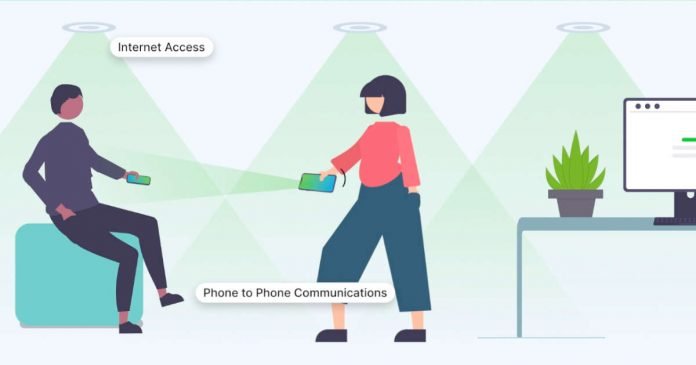
LiFi (Light Fidelity), a wireless technology that uses light rather than radio frequencies to transmit data, promises faster, more reliable, and secure wireless communications compared to conventional technologies such as WiFi and 5G. The IEEE 802.11bb standard, ratified in June 2023, defines the physical layer specifications and system architectures for wireless communication using light waves. This new standard paves the way for the widespread adoption of LiFi technology and its interoperability with the successful WiFi standard.

Global LiFi technology firms pureLiFi, and Fraunhofer HHI have been at the forefront of these standardization efforts. Both organizations aim to see accelerated adoption and interoperability not only between LiFi vendors but also with WiFi technologies. The Light Communications 802.11bb Task Group, formed in 2018 and chaired by pureLiFi, has been instrumental in this process.

The Potential of LiFi

LiFi offers high-speed mobile connectivity in areas with limited RF, like fixed wireless access, classrooms, medical, and industrial scenarios. It complements or serves as an alternative to WiFi and 5G. The exclusive optical spectrum of LiFi ensures higher reliability and lower latency and jitter. Light’s line-of-sight propagation enhances security by preventing wall penetration, reducing jamming and eavesdropping risks, and enabling centimeter-precision indoor navigation.

The Future of LiFi

With the release of the IEEE 802.11bb standard, LiFi is now poised to take its place in the wireless communication market, offering unprecedented speed, security, and reliability to users around the world. The release of the IEEE 802.11bb standard has also attracted interest from some of the biggest industry players, ranging from semiconductor companies to leading mobile phone manufacturers. This global standard gives confidence to device manufacturers who will deploy LiFi at scale.

The future of LiFi is bright, with the technology expected to work seamlessly with WiFi and make communications better in a range of applications, from high-speed, secure internet access in the home and office to expanding next-generation experiences to wider markets such as XR and spatial computing.

Nothing Phone (2): A Superior Upgrade with a Heftier Price Tag

Nothing Phone 2

The Nothing Phone (2), the second-generation smartphone from the innovative company, Nothing, is not just a device, but a statement of style and functionality.

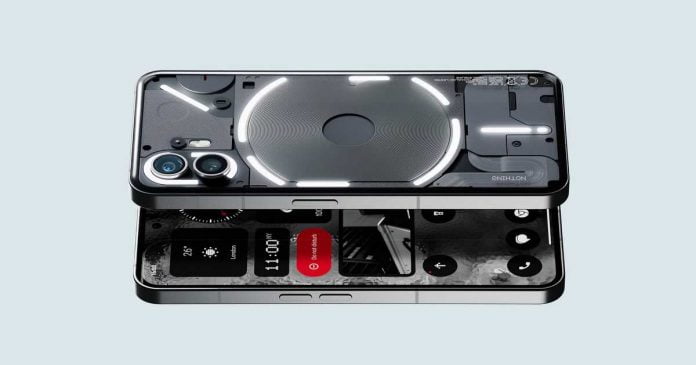
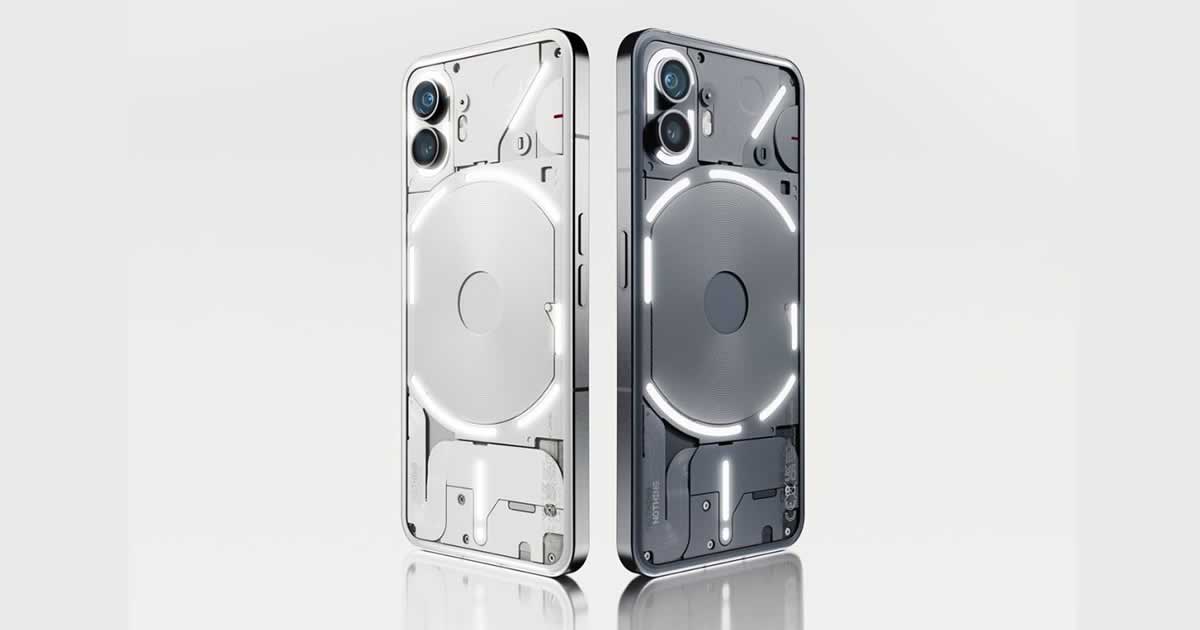
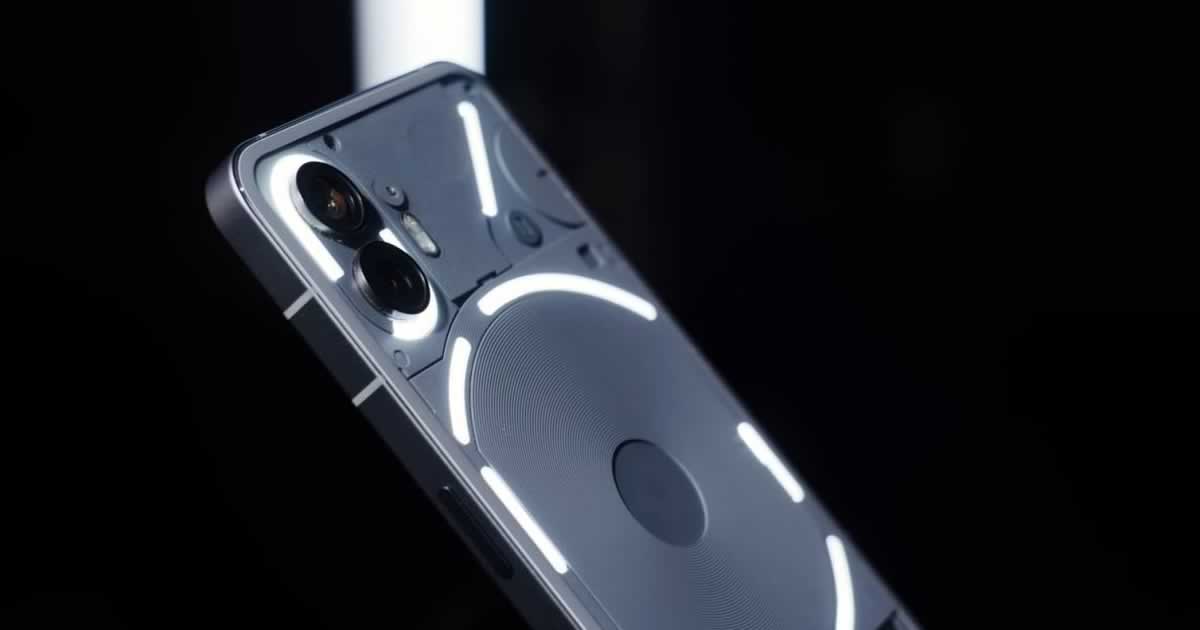
Nothing Phone (2), officially unveiled on July 11, 2023, has retained the unique transparent design of its predecessor, with a few notable enhancements. The location of the selfie camera has been centralized, and the light elements on the rear cover have been segmented, increasing the lighting zones from 12 to 33. This unique feature, known as the Glyph Interface, allows users to customize the lighting patterns, making the phone not just a tool, but a personalized accessory.

Nothing Phone 2 back

The phone (2) features a 6.7-inch OLED display with a resolution of 2412 x 1080 pixels and supports frame rates up to 120 Hz. With LTPO technology, it can conserve battery power by dropping to a frame rate as low as 1 Hz. According to Nothing, the screen has an outdoor brightness of 1,000 cd/m² and can reach a peak brightness of 1,600 cd/m² in HDR mode.

Under the hood, the Nothing Phone (2) is powered by the new Qualcomm Snapdragon 8+ Gen 1 chip, offering a significant performance boost. The device comes with up to 12GB of RAM and up to 512GB of internal storage. The battery has a nominal charge of 4,700 mAh and can be charged with a maximum of 45 watts via cable. Wireless charging is possible with up to 15 watts, the phone (2) can also charge other devices wirelessly.

Nothing Phone 2 Glyph Interface

The Nothing Phone (2) boasts a Sony IMX890 sensor with OIS for the main camera and a super-wide-angle Samsung JN1 for the secondary camera. The selfie camera features a Sony IMX615 sensor, promising high-quality images and videos.

The smartphone comes with Nothing OS 2.0, an Android fork that pays special attention to the design. New features include a monochrome look and widgets on the lock screen. The Glyph Composer also allows users to design their own ringtones with LED lighting.

Nothing Phone 2 Interface

The Nothing Phone (2) is priced starting from $599 for the base version with 8GB of RAM and 128GB of internal storage. The version with 256 GB of memory costs $699, the model with 512 GB costs $799. This means that the device is significantly more expensive than the phone (1), but it is also better equipped and has more memory. For comparison: The phone (1) has a maximum of 256 GB of memory and cost $550 when it was launched.