Home Blog Page 259

The Inextricable Relationship Between Technology and Climate Change

Technology and Climate Change

Technology has made such leaps and bounds over the last few decades. There has been an unprecedented advancement in the fields of both science and technology that has made things so much possible. As a result, the industry has flourished, and human beings are living better than ever before in history. Unfortunately, this has also caused an unprecedented surge in climate change. 

As large industrial complexes continue to pollute the earth, we must turn back to the source, technology, to find a solution. We can find ways to monitor and track the causes and extent of climate change to make critical decisions. Technology and climate change are inextricably linked, and we must use one to recover from the other. 

Early Warning Systems

The climate has been changing more rapidly in the last few decades. There has been a rise in extreme weather events that have devastated human life. Homes, businesses, people, and pets have been washed away, and they have caused mass destruction. While we cannot stop the weather, we can develop early warning systems. 

Early warning systems for tornadoes and hurricanes can save a lot of lives. Extreme climate events, averaging 16 every year in the last five years, has cost an average of $121 billion every year. If we count the loss of human lives, the cost is priceless. This is why we must rely on technology to install early warning systems to protect our people and prevent loss of property. 

Conservation Efforts

Conservation is one of the most critical activities that we carry out. It ensures that future generations have a healthy, flourishing world to inherit instead of one that is barren and without life. Climate change has a significant impact on conservation efforts. This is why climate monitoring is such a significant aspect of conservation efforts. It can show if the methods adopted by the project are working to reverse the damage done. 

Climate monitoring can also show which areas are vulnerable and in need of protection. This can help communities take precautionary measures before their way if life is ruined beyond repair. This is especially important for impoverished indigenous communities in environmentally vulnerable areas that don’t have access to funds that would protect them from climate change. 

Wildlife Protection

Wildlife is an integral part of our biosphere. Without animals and insects in the world, the ecosystem as it stands would collapse. Unfortunately, wildlife is disappearing from the world faster than ever before. Wildlife conservation efforts, though successful, have seen significant changes because of climate change. This is where technology comes in. 

As the climate changes, we can use technology to track the changes in wildlife and make connections between the environment and animal lifestyles. This can help us refine our wildlife conservation activities to ensure better, more efficient outcomes. This can be a great boon to us as we restore wild animal populations around the world. 

Climate Monitoring

Climate change has affected our day to day lives. With the weather becoming unpredictable, it has become more complicated to schedule events, go out, and even vacation. While this might seem a smaller issue than global changes, our quality of life is decreasing. If we have better local climate monitoring systems, it can protect our lives from volatile weather events. 

Extreme weather events cost us a lot of money. With the financial world in a flurry because of the pandemic, we really cannot afford shutdowns because of heavy rain or snowfall. We need more efficient climate monitoring solutions like the new ClimaCell’s weather site. This not only provides local weather updates but also interprets the impact they have on your day to day life. 

Final Thoughts

Technology is not usually seen as providing the solution for climate change. We need more governmental regulations, legal repercussions for offenders, and financial safeguards that protect our communities. We also need more and more people to reject products from the most extensive environmental polluters, so they feel the pressure to adopt more eco-friendly techniques in their operations. Widespread criticism of environmentally unsustainable manufacturing and operating techniques can go a long way in bringing about the changes we want to see. 

However, the way for the world’s largest polluters to change is to have viable, economical alternatives to use. We need technology to provide green alternatives to current waste disposal methods, plastic production, and excessive use of fossil fuels. We also need technology to provide solutions to current issues like the giant island of trash out in the pacific ocean. Without these, we may not see a day where our bath is protected from the negative impacts of climate change. 

What Are Audio Analyzers Used For?

sound waves

Sounds are daily essentials for everyone. The ringing alarm clock wakes us in the morning, the whistling kettle that signals the morning coffee is ready, and the timer on the toaster saying your breakfast is good to go.

But, there are also other producers of sound like electronic devices, audio devices, and electro-acoustical devices. Do you ever wonder how they can sound the way they do? Have you ever wondered how these devices can reproduce sound as if you’re listening to the real thing?

In all these instances and more, audio devices function because they passed the strict standards of product testing made possible by audio analyzers. These innovative boxes of equipment find various applications in different fields and industries. They aid in equipment testing, product enhancement, and quality assurance. In essence, audio analyzers help us hear the sounds we want to hear and eliminates noise and distraction. While it’s a rather technical process, audio analyzers ensure over-all sound quality in different types of audio devices.

What Are Audio Analyzers?

Audio analyzers test and measure the audio performance of various electronic and digital devices. Audio analyzers measure how well an electronic audio device (speaker, stereo, microphone, etc.) transmits a signal. The audio analyzer sends a test signal to the device under test (DUT), and the operator compares the original signal to the signal emitted by the DUT. It then analyzes the device’s performance based on several parameters such as gain, total harmonic distortion plus noise (THD+N), signal-to-noise ratio (SNR), crosstalk, and phase. 

Often expressed as Watts, Volts, dBU, or dBV (decibels as referenced to voltage), level pertains to the size or magnitude of a signal. Gain is the ratio between the output and input signal of the device under test. The THD+N measures the distortions and noise from different sources, while the signal-to-noise ratio (SNR) considers how much noise is present in the device’s output. Crosstalk refers to the leakage of a signal from one channel to another, whereas phase is the relation of two signals of the same frequency.

Audio analyzers often have user interfaces that display the parameters measured. These are also used simultaneously with audio analyzer software and mobile applications. The signal test results are displayed either as bar or line graphs that inform engineers regarding the performance of the device being tested. These indicate pass or fail results, which are helpful in product development and enhancement.

That’s a lot of technical stuff, indeed. Now that we have a fairly good idea of what audio analyzers are, let’s look at the types of analyzers.

Types of Analyzers

There are three types of audio analyzers: analog, digital, and converter-based. The difference between the analog and digital audio analyzers is the hardware they use. An analog audio analyzer utilizes analog hardware and filters to measure performance. Similarly, digital audio analyzers generate and analyze signals using digital signal processing (DSP) algorithms. Converter-based audio analyzers produce and assess signals in the digital domain and use analog-to-digital (ADC) or digital-to-analog converters (DAC) to create analog inputs and outputs.

Application of Audio Analyzers

A wide selection of these instruments is available on sites like https://www.ap.com/audio-analyzers/. The use of audio analyzers is beneficial in various fields and applies to a wide variety of electronic devices. Sound engineers and other professionals use audio analyzers for:

  • Device Testing: Audio analyzers serve to check the device’s capability to produce quality sound by comparing it to standard equipment and ratings. It also checks for noise and interference in an electronic device.
  • Product Enhancement: Product developers use audio analyzers to improve devices. Ratings inform developers how technology can reduce noise and interference to produce quality sound input and output for consumers.
  • Quality Assurance: perform measurement and evaluation to ensure that electronic and electro-acoustic devices comply with industry standards. Products must adhere to individual specifications before their release to the market.
Audio Analyzers

Common Electronic Audio Devices Assessed by Audio Analyzers  

The technical process employed by analyzers ensures that the audio devices we use to produce quality sound conform to quality standards. Some of the electronic instruments that benefit from equipment testing are:

  • Radio / Car Stereo

Radio analyzers ensure FM transmissions of live broadcasts conform to standard procedure. These also aim to minimize noise and interference within acceptable limits. These often use digital analyzers to measure previously mentioned parameters of noise, distortion (harmonic and intermodular), and crosstalk.

In the case of car stereos, analog analyzers evaluate different sound environments, detect disturbances, and provide an objective comparison of different receivers’ performance. It considers the quality of sound produced in different car cabins and the potential interferences that car stereos encounter while driving on public roads.

  • CD Players

Audio testing for CD players requires the use of a test CD and corresponding software. The test CD contains the required measurements that automatically run in a sequence, producing a print-out of the results. The analyzer evaluates audio frequencies within the 20 Hz to 20 kHz range based on noise and distortion, phase, crosstalk, and intermodular distortion. 

Audio analyzers can also detect defective CDs using another specialized CD that is sensitive to surface scratches and the CD’s information layer.

  • Electro-acoustical devices 

Audio analyzers test electro-acoustical devices such as loudspeakers, microphones, and amplifiers.

Single microphones are tested based on their ability to produce a flat frequency response using a reference microphone or speaker. Audio analyzers can also test several microphones simultaneously. Tests inform sound engineers and quality assurance teams on the frequency response, sensitivity, distortion, signal-to-noise ratio, and idle channel noise. These can also help detect audible imperfections. Amenable measurements ensure audio quality whenever one uses microphones for large venues and thick gatherings.

Regarding loudspeakers, real-time analyzers determine the speaker’s output in terms of volume and frequency. Apart from the real-time analyzer, loudspeakers also require pink noise to track on a CD. 

  • Smartphones and Tablets

Audio testing for smartphone and tablets involve checking the earphone circuit, speaker, and microphone before shipment. Testing tools include audio analyzers and sound cards to check distortion and noise specifications. 

Audio quality is an essential feature for these devices that companies are continually infusing new technology to boost listening, viewing, and gaming experiences. The recent decade shows an explosion of audio innovations, such as wireless earphones and earbuds, multi and 3D audio, turntables, and bone conduction headphones, to name a few.  

  • Music Recording and Mixing

Spectrum analyzers work well for music recording and mixing for several reasons. Testing determines issues with individual channels and instruments, such as rumbles and hums and unwanted peaks in vocal sounds. Measurements also identify poor acoustics and help you understand how standing waves can affect the quality of bass sounds. Analyzers also ensure ideal monitoring and comparison with a reference mix. 

  • Hearing Aids

Hearing aids analyzers ensure that hearing aids serve true to amplifying sounds to assist people with hearing deficiencies. Analyzers first measure how well hearing aids act as liner amplifiers of sound, then proceed to determine the device’s ability to strain out noise, provide direction, and lessen distortion. These ensure that hearing aids can function in different environments like homes, restaurants, function halls, and others.

Sound Analyzer Apps

You can commonly find various types of sound analyzers in laboratories, production lines, and music studios. These specialized testing equipment are expensive and, at times, bulky that its operations are reserved to a handful of professionals. 

Thanks to the development of mobile apps, sound analyzers are now within reach of ordinary folks. These apps now function the same way as professional audio testing equipment minus the bulk, technicality, and price. 

Sound analyzer apps now feature spectrum analyzers that act as precise tuning instruments for different audio devices—home theater, speakers, and car stereos. These apps identify the various sounds you hear and measure ambient noise found in different settings. They’re useful in informing owners on the output of home electronic devices. They may even inform owners how loud sounds can be and allow the adjustment of volumes to acceptable levels. 

These apps not only function to fine-tune various audio devices, as these can also help sound technicians and independent musicians in their musical recordings and mixes. As such, mobile sound apps make audio quality essential for many. 

Conclusion 

Audio analyzers are interesting instruments that measure the sound-producing capability of electronic and electro-acoustical devices. These testers are useful in correcting defects and improving products while still in the production line. Analyzers also function as quality assurance tools to guarantee products adhere to industry specifications before shipment and consumer consumption. 

Whether analog, digital, or converter-based, audio analyzers find applications in testing a wide array of products used at home, work, on the road, or at places of leisure. These can even assist hearing aid technologies to better serve people with hearing impairments. 

While its technical operations are mostly performed by sound engineers, therefore requiring expertise, the proliferation of sound analyzer apps provides ordinary people opportunities to fine-tune their instruments and gadgets to enhance their listening experience. 

In sum, audio analyzers are useful tools applicable to a variety of venues and devices. These audio quality testers make sound and music an enjoyable experience for everyone, whether as hardware, software, or mobile applications. 

Elements of an Effective Embedded GUI Framework

programming coding GUI Framework

It can be quite overwhelming when wanting to choose an effective embedded GUI framework. From looking for the deliverables required to witnessing the end result, there can be quite a lot that you will need.

But first, what exactly is an embedded GUI framework?

A GUI framework is an abstract software framework using which software can be designed. The framework comes with basic written code. The generic code can then be manipulated by the user to create software, apps, and websites as needed, or even new codes can be added as usage requires. 

The frameworks when specializing in software development meant for embedded devices can be known as embedded GUI framework.

Suppose you specialize in creating devices with embedded software such as smart refrigerators, thermostats, watches, etc. In that case, you will need an embedded GUI framework to help you construct software that will work great with your devices and provide an excellent user experience. 

Choosing an embedded GUI framework with components you require for your job can be difficult, considering what exactly your needs are. Hence, here are a few elements of an effective embedded GUI framework that you should look for when choosing a framework!

1. Contents

The one component of frameworks that need to be at the forefront of your contemplations when you choose an embedded GUI framework should be the content of the framework. Does it specialize in what you need? Does the framework have impressive code in your genera? Does it allow you to make extreme requests for customization?

If the framework does not match your area of expertise, it is better to steer clear of it. 

2. Navigation 

The framework, in a way, is your shortcut to your dream software but without compromising on excellence. The navigation in the framework, accessibility of different objects, classes, and functions, how readily you can manipulate the code, and does the layout of the framework helps in quick navigation to objects and code you require can help cut short the time needed to build your software drastically.

If you have to go through extensive steps when navigating the framework, it will not only affect the time taken and quality of the software but also will take out the fun from the process.

3. Ease of import

When designing your GUI, you might not totally rely on one framework or tool itself. Hence, you might design the visual components of your software, such as animations, design, on other tools such as Photoshop and Sketch. But if the framework does not support import, it all will be worth nothing. 

So, the one element highly important is to see if the framework supports the import of content and its seamless integration.

4. Ability of compare

If you come across a highly effective framework, it is possible you will only need to manipulate the code to a small degree, but at times you may want to compare it with the original code. 

Otherwise, too, the ability to compare, merge and collaborate the code without disrupting the original iteration can help in picking out the difference in code works for your software and which version is preferred.

5. Debugging

framework is a great way of steering clear of extreme code error as only minimal manipulation is required. But complete elimination of error is still not possible as syntax errors can still creep in. Hence, if the element of debugging and optimizing the code can ease your workload and help create seamless software. 

The optimization components can also facilitate the creation of better code and help make better decisions.

HTML CSS JavaScripy JQuery

6. Interoperability 

An element highly crucial for all frameworks is interoperability. It is the ability of the framework to withstand the integration of commonly known frameworks such as JavaScript. As a skilled expert with knowledge of the framework in question will not always be available, but more widely known framework experts are mostly available. The framework being considered should be able to function without raising issues upon being integrated with JavaScript should be a given.

7. Adaptability

Not only should the framework be interoperable but also adaptable. As new technologies come each day, software need to be constantly updated to stay up to date with the requirements of the audience. If the framework is not adaptable, the embedded GUI software created will soon lose the audience. Thus, look for frameworks with adaptable features.

8. Innovative

What sets apart any framework from the other? The innovation and design put behind it. If creativity does not drive the framework of your choice, it sure will not help you reach excellence. Not only will this set you apart from others, but it will also help define your industry. 

Why Is Graphic Design So Important For Small Businesses And Startups

Graphic Design So Important

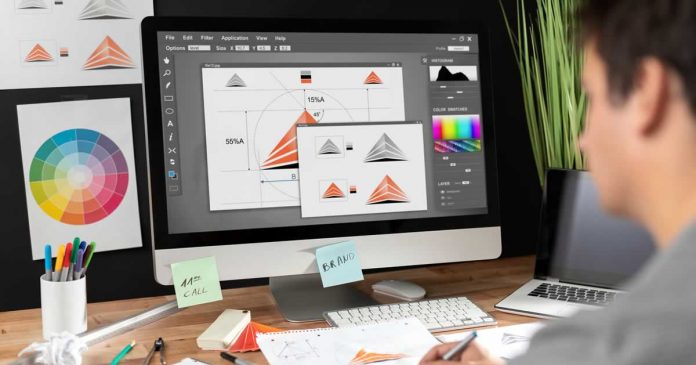
Graphic design is the art of combining texts and images to communicate or convey ideas effectively through images, posters, brochures.

The graphic design in business has great value. However, often this element can be forgotten within the business community. Think of companies like Apple, Nike, and Amazon, their logos by themselves sum up the vision and personality of each brand. Each of them is unique in its own right. 

There are many people who still think that spending on graphic design or branding is an unnecessary expense. But remember, communicating with your users is not an expense, but it is an investment that pays long-term benefits and will help us meet all of the company’s objectives.

Any company, no matter how big, has a hard time creating a brand that its customers believe in. For the owner, the design of their brand becomes the reason for their existence.

Even if you have the basic tools and knowledge to defend yourself, it is true that a professional in the field is capable of doing what you do … but better. It is advisable that each person dedicate themselves to what they really like and do well, leaving the rest of the tasks to experts in the sector. Thus, a graphic designer can take care of:

  • Logo design and corporate image
  • Advertising brochures and flayers.
  • Catalogs.
  • Custom business cards
  • Advertising banners.

Companies can decide to hire graphic design services from a company, a freelance professional or introduce it in the template. There are many possibilities that exist, and all are valid, so it depends mainly on the amount of work that is available for this figure.

If you looking to outsource your graphic design projects, then Penji is the best bet for you. Whether it’s a new logo, marketing materials, advertisements, or website/app design, Penji will provide you a qualified designer for the job.

Penji is a community-driven startup to make quality graphic design fast, simple, and affordable for everyone. They have a flat rate pricing — pay the same amount no matter what. Penji’s unlimited graphic design platform supports thousands of brands and agencies worldwide including known brands such as Rebook, Pepboys, 1800-Flowers, and Express.

How Penji Works?

Step 1: First, create a project by filling out a simple form with the necessary instructions for your graphic designer and upload any attachments you want to include. Then mention the type of files you want — like Adobe Suite files, Microsoft Office files, PDF’s, PNG, JPEG, and more. That’s it from the user side.

Step 2: Now Penji will automatically assign your projects to the best designer for the job.

Step 3: Within 24 – 48 hours, you’ll get a draft back. Also, if you are not satisfied with the draft copy, submit as many revisions as you want until you’re satisfied.

Step 4: Finally, download all the design and source files instantly from the platform itself. The good part is, you have complete ownership of source files.

Why should you opt Penji?

  • Unlimited design projects.
  • Matched with top graphic designers capable of taking on any projects you request.
  • Dependable designers are working on your requests daily with 24 – 48 hr turnaround on most projects.
  • No bots, automated answering machines, or androids. Just people.
  • No hourly cost. No surprise fees. Just one flat monthly rate for all your design needs.

Top 6 evergreen SEO tips you need for your website

evergreen SEO tips

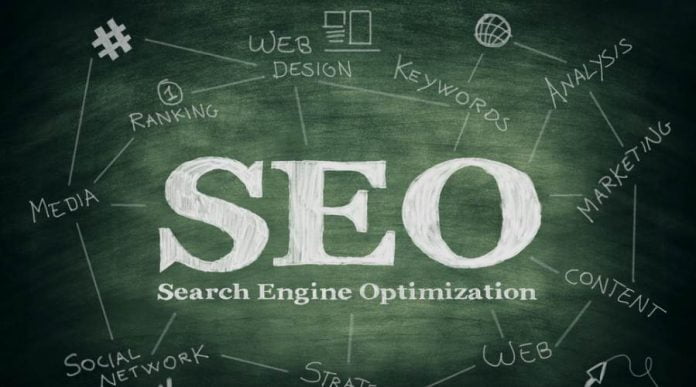
It is estimated that there are more than 200 SEO techniques to use for the growth of your online business. This is because technology advancement floods the market with more and better ways and tools to achieve SEO success. This sees other strategies becoming old school, or being phased out to pave the way for new ones. But others will always remain relevant all through.

Content is key

Excellent and compelling content drives traffic to your site over and over again. This ingredient of SEO is unavoidable, making it top your marketing strategy techniques list powerfully. But as easy as it sounds, many people find this a tough task.

What is needed to develop quality content is to develop information that attracts your target. What will allow a non-intrusive message with your audience. As well as an open communication channel with your potential clients.

I think that the most important part when generating information has to do with content writing. This is because not all of us are used to writing. We are possibly not specialists in certain subjects. Or we just don’t know the writing principles very well. That’s where the importance of hiring content creators come. Platforms like Contentfuel offers content writers with food SEO knowledge delivers faster writing, higher ranking, better results on a fixed monthly rate.

Investing in content marketing to generate leads and revenue requires monstrous effort. To resonate with your target users, you need to place your mouth where the money is- getting your hands dirty. Crafting great content that provides value to your audience is a result of hard labor. The next task is to share the content with others.

Why is this also a laborious task? On a daily basis, every brand produces tons of content. The internet is full of all sorts of case studies, blog posts, proposals, pitches, contests and all kinds of material. This cluttered noise denies people from concentrating on a particular piece of information as they are bombarded with information from every side.

Internal Linking

While many online business owners highly regard backlinking, internal linking can incrementally improve your SEO. Internal linking can reduce bounce rates, motivate visitors to spend more time on your site to read other pieces on it, increase ranking power and distribute page authority as well. As experts say, this is an excellent way of spreading link juice around your site as well as improving the general usability of your site.

Internal linking focuses on proper contexts. This will help you easily link related information to add value to the pages linked to that particular page. Coming out foolish in this sector can land you into trouble.

Think like a searcher

Many brands lack the competence of picking and using the right keywords. They thus focus on broad keywords while ignoring the power of long-tail keywords that can catalyze the leads they get. Juicy long-tail keywords serve different user purposes.

Professionals know how to use these keywords to target customers. The keywords contain three to four keyword phrases that are very specific to what you’re selling. Most customers on the internet use particular words to search for what they want. Professionals study these words to tailor their keywords to give what the customer needs.

For those who feel overwhelmed by the intricacies of keyword research and SEO, seeking professional assistance might be the key to unlocking your site’s potential. A reputable SEO service, such as Digital Spotlight AU, can provide the expertise necessary to navigate the complexities of SEO and enhance your online presence.

Using SEO and content marketing side by side

Many people tend to define the two as completely different elements. The harsh truth is that the two are interdependent. Combining the two can be an effective way to write for the target customers. This combination makes it possible for one to come up with authentic and original content that is suitable for your website. This in effect, will make your users find it worthy and appealing.

Great SEO is a foundation of content marketing campaigns. Focus on content first when developing your SEO strategy. SEO knowledge is essential for every user that owns an online enterprise today.

Correctly structuring your URLs

Topping new and worthy content that has useful external and internal links to it, tags, Meta descriptions and URL structures are huge contributors to the success of your content.

While many people consider it old SEO, its impact in today’s SEO market cannot be ignored. Smart site owners know that short, sweet links that include targeted keywords have higher chances of staying relevant in Google’s eyes for eternity. Structuring such links takes time.

To avoid mistakes that many site owners make, do not feature all the words on your blog post title to your permalink structure. When it comes to this, shorter URLs are better.

Optimizing images

If you want to increase website traffic, pictures are of extreme importance. Images have the power to stimulate emotions. They are crucial in aiding people to connect with intent, words, and brand on a personal level. They are likened to an asteroid on your content.

The ability of visual messages to boost your intent and get people flowing with excitement about certain aspects on another level is unimaginable. That is why everywhere you turn to is full of imagery.

People’s patience to read nowadays is waning in the face of tons and tons of websites that are in the business of attracting traffic to their sites. Images can summarize, amplify messages and can be shared easily in an organic manner.

Many users visit Google’s image search to search for all sorts of things. If you optimize your images well, you might be one of those benefiting from such search escapades.

What to look for in a car infotainment system

car infotainment system

For lots of people, there are few things more exciting than the search for a fresh set of wheels. And statistics from the Society of Motor Manufacturers and Traders reveal that there were more than 1.6 million new car registrations recorded in 2020.

But not all drivers prioritize the same features. There are those who are looking to reduce their carbon emissions and might want an electric vehicle. Or it might be that they have a large family, in which case they’re looking for a practical seven-seater to transport all the children.

There might also be monetary considerations – such as for those looking to finance the purchase despite bad credit or a limited budget. And then there are those that place greater importance on in-car techs, such as the infotainment system. If that’s you, here’s a quick and easy guide on what to look out for.

Ease of use

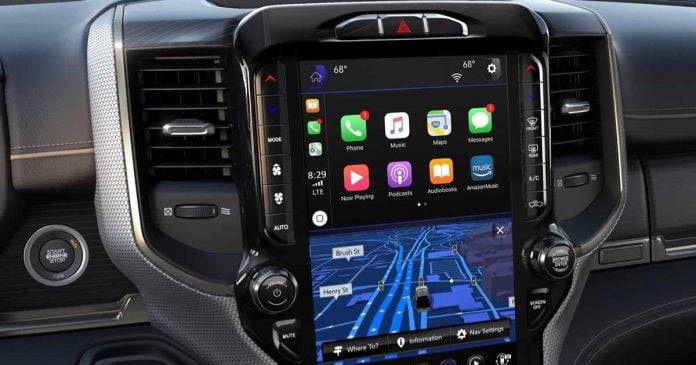
Most importantly, any infotainment system needs to be simple to operate. Data from 2019 shows there were more than 2,500 accidents in Great Britain caused by distractions inside the vehicle, and you don’t want your attention to be taken from the road by trying to use an overly complicated system with dozens of complex menus to navigate. Instead, choose one that offers a straightforward user experience, and be sure to familiarise yourself with it before setting off.

Response time

The majority of modern infotainment systems operate on a touchscreen basis, but some can be less responsive than others. When browsing potential models, be sure to try each one and satisfy yourself that it responds properly to your touch. If it means repeatedly pressing the screen to trigger the simplest of commands, it’s best to avoid, as even just a few short seconds of not paying attention to the road can have severe consequences.

Voice recognition

If you’re going to get plenty of use from your infotainment system but are worried about being distracted while behind the wheel, opt for a model that offers voice recognition software. That way, you can enter your commands without having to lift a finger or divert your eyes from the road. However, be aware that the technology is not always perfect and can sometimes respond even though you didn’t want it to – particularly annoying when it’s in the middle of one of your favorite songs.

How to create a local events application

Using mobile apps

Mobile event apps don’t follow one basic model. Depending on the value you want to provide to the customers and your vision of the end product, you’ll have to define the project’s scope on your own. Thus, it will be up to you what features your local events app will include and how to put them into effect. This step-by-step guide offers some insights on how to do that. 

Get down to the essentials

As with any application, the first thing you do is to ask yourself what kind of product you want. The answer always lies in your target audience. Figure out who they are, what’s their pain point, and how you can cater to their requirements. Then finalize your business strategy to secure a position on the market.

Know your target audience

When developing a local events app you should put a spotlight on two groups of clients: attendees and organizers. That means you need to create two different buyer personas.

  • When working on a portrait of your ideal event-goer, get to know their age, gender, occupation, family status, hobbies, interests, and entertainment preferences. Learn how they usually get information about the upcoming local happenings. It’s also important to take account of the communication channels that work best for them, as this will later help you to direct your marketing effort to where your customers will see it.
  • As you meet with local event planners, first of all, find out what solutions they are currently using and ask if there are any features they are missing. That will give you a valuable insight on what tech stack they expect to find in your event planner application. It’s also wise to find out how they promote their products and services, reach out to their audience, and collect the attendee’s feedback. 

Analyze the market for local events apps 

The event app industry is a pretty saturated market. Thus, to create a truly outstanding social events application, you have to know your potential competitors and what they do to win the hearts of their users. In order to get your piece of the pie, you have to be aware of your rivals’ strong sides and be ready to play on their weak points.

Before you set the ball rolling, check out these renowned local events apps, to get an idea of what this field looks like.

Eventbrite

Eventbrite is the world’s biggest events-near-me service, where people can discover a plethora of things to keep themselves entertained. It has everything. You name it – from a dinner party next door to a musical festival half-way across the world. The app allows people to check out where their friends are going and get recommendations from other users. It also sends notifications if a spot for an event they are interested in opens up.

The app is known for its exquisite event organizing software, that helps users to create, promote, and manage their gatherings. It offers online ticketing, social media integration, as well as data collection and analytics tools.

In the wake of the global pandemic, the app became a massive online event aggregator. The platform hosted over one million virtual meetings in 2020, engaging communities from far-reaching corners of the globe and bringing the world together. Most Eventbrite users chose to reconnect with others by signing up for well-being classes such as yoga or meditation or attending professional training, lectures, and workshops.

Facebook Local

These days nearly everyone uses Facebook. Even museums, theaters, concert halls, restaurants, and activity groups do maintain a social media profile. With hundreds of options available, the platform is definitely a place to check for those looking for last-minute date ideas or making plans for a Friday night entertainment.

If you are not really a Facebook adept, you could just download their dedicated application for discovering new happenings in your area. Both Facebook Local and the web version allow you to filter the event search by category, date, and venue type. Using this app you can also follow your friends’ check-ins and read other people’s reviews of local businesses.

All Events in City

True to its name, this event discovery platform amasses more than 200 million trending events happening in 30,000+ cities around the world. From art and fashion to adventures and sports, you can find just the right one for you.

The app enables you to select your interests and then offers personalized recommendations on what you can do in your area. The service gives you detailed information about the events, including date, location, and maps with instructions on how to get there. You can add the meet-ups you’re interested in or those you’re attending to your Google Calendar, share it with the friends, and see where they are going.

Define your app’s functional specs

As the competition is sufficiently strong and there are more apps released every day you should seize the opportunity to enter the market as soon as possible. Developing a fully functional product is a complex and lasting process that might take months and years to complete. If you want to build a local events app like Eventbrite it is better to start with a few elements, which would be enough to acquire early bird sign-ups and obtain feedback. 

Basic functionality of local events app

The set of core functions that allows you to test your product concept is known as a minimum viable product. MVP serves as a guarantee that your team won’t be wasting time creating an app no one needs. It also gives you the opportunity to experiment and hone your platform’s characteristics to perfection. So when it comes to local events application you should consider including these features:

Registration

Users should sign up to be able to view the full app’s content. They can join the community using their Facebook or Google account, or authorize via email or phone number.

Event feed

People come to your platform to discover the best local gatherings that match their interests. So you should create a convenient interface that will display all the upcoming special occasions and provide the necessary info about them. That includes such details as the meeting’s name, type, time, and location. You can also add an event description field and the organizer’s contact info.

Help your users find out everything they want to know. Let them browse the listings by category, artist/speaker, venue, date, duration, price, and popularity.

Ticketing

Offer your clients a safe and reliable way to purchase the tickets and manage their bookings right in your app. You can use a trusted international payment gateway, such as PayPal, or partner with the preferred local online payment service provider.

Push notifications

People can’t keep all the details of events they plan to attend in their heads. That’s why it’s good to send reminders to keep them posted. Plus, you can integrate your app with Google Calendar, so that your event-goers have all the info available right in their personal schedule.

Geolocation

When building a local events app, geolocation is one of the essential features. It helps users to automatically sort out the events happening in their city or area. You can also incorporate interactive maps, such as Google Maps service, into your application, so people can easily find their way around.

Extra features for event organizer app

The above features are relevant only to the attendee-oriented apps, and to balance your app’s functionality you have to address the needs of local event planners as well. Here are some tools you can provide for them:

Event management

The organizers’ team has to take care of the place, find necessary equipment, hire a catering company, and do tons of other activities to have the thing up and running. Thus, the event planner application could become a means of efficient communication, staff coordination, and task management.

Profile

Your app will be the first meeting point for the local event planners and their guests, so help organizers to make a nice first impression. Develop an intuitive and easy-to-follow procedure for setting up an event profile and offer some ready-made templates to make this task easier for them.

Social media integration

If it’s not on Facebook, it didn’t happen. And if people already have their noses buried in smartphones, why not encourage them to share the info from your app to other social networks. Social media synchronization features will not only make your app grow but will also open new channels for organizers to promote their events and services.

Data collection and analytics

Collecting user feedback is a good practice to evaluate the event’s results and further improve the organization’s process. You can add quests, polls, surveys, and in-app discussions to help planners establish a connection with their audience. It will also allow event promoters to track their guests’ behavior before, during, and after the social gathering to save that information for future use.

Local event app development milestones

Once the research and planning are done, and you have determined your goals, the scope of work, and user expectations you can move on to building the actual app. While the process itself is quite generic, there are a few things to keep in mind when working on an application like Eventbrite:

Appealing design

Create a visual prototype to check how all your design ideas, navigation features, page layout schemes, buttons, and icons look together. Let your potential users engage with that interim product to identify any design flaws and to shape the app’s final UI/UX.

Development approach

Technology specs available today allow you to choose from three main implementation options. You can create a native, hybrid, and web-based solution. Though mobile apps augur well for unparalleled performance and user experience, web applications are a much more feasible and cost-efficient choice.

Release

The marketing campaign should start long before you make the app readily accessible to the public. You can start growing your community by offering bonuses, ticket discounts, or special terms to early adopters. Let people know about your product through your company’s website, engaging promo content, blog posts on partner platforms, and cooperation with industry influencers. 

Takeaway

Since people will always be eager to connect and socialize, the event app market is simply doomed to thrive. To gain your footing in this field, you need to know exactly what kind of meeting platform your potential customers are looking for and develop a clear and precise plan how to build a product that will cater to their needs.

All a Farmer Needs to Know About Technology Innovation in 2021

Google Parent Alphabet plant buggy

While the world population keeps steadily growing, the need for food also increases. To feed such a large number of people, the sphere of agriculture must radically change and become less of an economy and more of a large-scale production. For that, the farmers will primarily need new ways of monitoring big fields more efficiently. And this can be achieved only by the implementation of new technologies to farming practices. Down below we will go through the most popular of such innovations.

Precision Agriculture

Precision farming is a breakthrough trend in agriculture, which combines most of the top farming technologies. The principle of precision farming is based on the idea that the cultivated area is not homogeneous, and that each individual zone requires unique care. In practice, this translates into cost minimization. Thanks to the use of ground sensors, as well as satellite and aerial images, it is possible to use fertilizers, water, and pesticides only where needed. Besides, there are agricultural robots that help to automate the routine field work: plowing, planting, weed control, watering, fertilization, and harvesting.

Speed Breeding

Another popular trend in agriculture is the development of new crop varieties. For instance, the development of perennial crops that will reduce the cost of fertilizers and herbicides. To achieve this, the selection process has to be significantly accelerated. The technique behind this is growing plants under continuous light for 20-22 hours a day to allow them photosynthesize longer and grow faster.

Renewable Energy

The use of renewable energy sources has long been a trend in many industries beside agriculture. So, how can it be applied to farming? A good example would be wind farms and solar panels installed in rural areas to power agricultural robots. Renewable energy used in farming can help reduce the cost of solar energy by 75% and thereby reduce the cost of products.

Vertical Gardens

This agro innovation is about transferring high-tech agriculture to urban areas by creating vertical farms that do not require a large area of layout and allow harvesting all year round. Such experimental farms already exist in the yards and on the roofs of residential and office buildings in big cities.

Sensors

Modern smart systems for plant care already help to water and fertilize seedlings automatically, taking into account every nuance. This technology, which saves up to 20% of water, falls under the concept of smart farming, accurately calculating watering, fertilization, pesticides application, and harvesting via computer systems. Modern sensors also analyze the composition of the soil and predict its fertility, as well as the degree of saturation with moisture and fertilizers.

GPS- Navigation

GPS navigation systems in farming allow the exact location of tractors and other agricultural equipment to be identified, down to centimeters. Thanks to this technique, farmers do not have to cultivate the same plots twice and will not miss the spots that require special treatment.

This approach reduces fuel costs and makes for more efficient use of fertilizers, herbicides, and pesticides. Many farms create productivity maps, using GPS technology. These maps show the variety of productivity levels within a single field. 

Satellite Monitoring

One of the biggest trends in agriculture today is the use of satellite imagery for field monitoring. This is especially useful when managing several fields at once or large and remote areas of land. For that purpose, there are plenty of online tools. One of those is Crop Monitoring by EOS.

The platform enables remote monitoring of fields based on satellite data. The information is extracted and automatically analyzed by the platform on-the-fly. All farmers have to do is to open the app and see all the collected data on one screen. The tool allows users to add multiple fields for monitoring. Data analysis provides information on crops heath (based on vegetation indices) and weather trends (historical, current, and 14-days forecast). 

Besides, the tool has an option of sorting out fields by productivity: the field with the highest vegetation value (NDVI) makes it to the top of the list. The fields can also be divided into zones, based on advanced vegetation indices, allowing growers to perform fertilizer & seed scripting and precise pesticide application.

What’s more, users manage scouting tasks remotely: create a task, send a scout, monitor task completion. This is especially convenient thanks to team accounts. Besides, it’s much easier and more efficient to scout fields based on the accurate data about problem areas within the field already available on the screen. The farmer can select the exact place on the field that needs to be inspected and sends the scout there, saving time and human resources.

Farm-management Systems

According to the article by The Economist, business models in agriculture are also changing. More and more farmers are starting to use software platforms that act as farm-management systems. A number of startups offer agricultural management systems in different formats, allowing online access to actionable data retrieved from sensors, satellites, and other sources.

Drought-tolerant Plants

Growing plants requires huge water consumption, while global warming simultaneously forces people to find ways of decreasing water use. This has led to the current attempts by the breeders to develop varieties of popular plants that will produce high yields even in dry conditions.

Drones

Agriculture is already one of the largest spheres where people apply industrial drones in their work. Approximately, every 10th agricultural enterprise uses these devices. Drones can provide soil analysis data, record seedling density indicators, determine the area of ​​dead crops, and help solve many other tasks related to monitoring and mapping of cultivated areas. The development of drones will further expand their usage in agriculture, including a highly-efficient monitoring of spraying and irrigation. 

Overall, agricultural innovations are the vectors of development for farmers. Different technologies and tools expand the opportunities for more productive, eco-friendly, and cost-efficient farming.